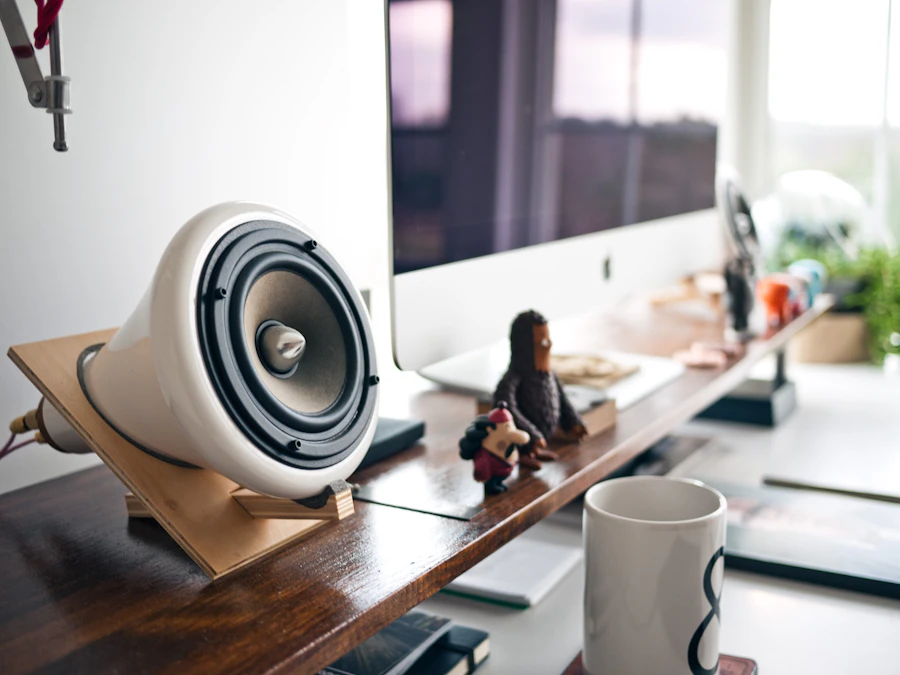

Senior enjoying a peaceful morning with coffee

Best Morning Routine for Adults Over 60 — Start Every Day Right

A simple, consistent morning routine is one of the most powerful habits you can build. Research from Harvard Medical School shows that adults who follow a structured morning routine report 35% less daily stress and better cognitive function throughout the day.

🌅 Step 1 — Wake Up at the Same Time Every Day

Your body's internal clock (circadian rhythm) works best when it gets consistent wake-up signals. Try setting your alarm for the same time — even on weekends — and expose yourself to natural light within 15 minutes of waking. This tells your brain it's time to be alert.

💧 Step 2 — Drink a Full Glass of Water First

Your body loses moisture overnight. Drinking 12–16 oz of water before coffee rehydrates your cells, kickstarts your metabolism and helps flush out toxins. Older adults often don't feel thirst as strongly, so this habit is especially important.

🚶 Step 3 — Gentle Movement for 10 Minutes

You don't need a full workout — a 10-minute gentle stretch or slow walk gets your blood flowing, reduces morning stiffness and improves balance. Try simple neck rolls, shoulder shrugs, ankle circles and a short walk to the mailbox.

🍳 Step 4 — Eat a Protein-Rich Breakfast

Eggs, Greek yogurt, oatmeal with nuts or whole-grain toast with peanut butter all provide sustained energy. Skipping breakfast is linked to brain fog and irritability. Even a small nutritious meal sets you up for a better day.

🌟 Pro Tip: Keep a simple "morning checklist" on your nightstand. Seeing your routine written out reduces decision fatigue and makes the habit automatic within 21 days.
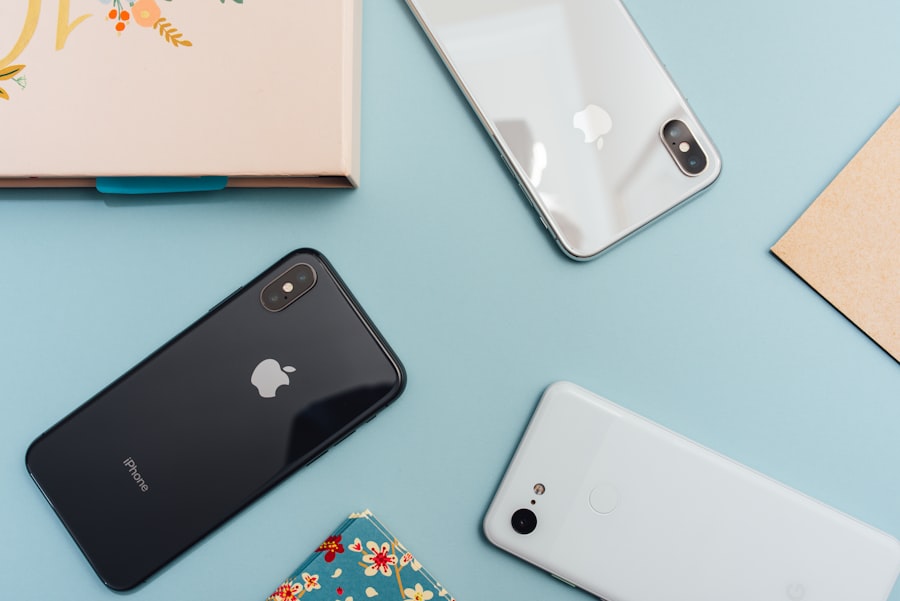
iPhone being used comfortably

iPhone Tips and Tricks for Beginners — Easy Shortcuts Anyone Can Learn

Your iPhone is one of the most useful tools ever made — and you're probably using only 10% of its features. These simple tips are designed for beginners and are easy to remember. No tech experience needed.

📱 Tip 1 — Make Text Bigger in Seconds

Go to Settings → Accessibility → Display & Text Size → Larger Text. Drag the slider right. This makes every app's text larger and much easier to read without reading glasses.

🔊 Tip 2 — Ask Siri Instead of Typing

Just press and hold the side button (or say "Hey Siri") and speak naturally: "What's the weather today?", "Call Mary", "Set a reminder for 3pm". Siri understands plain English and saves you from typing on a small keyboard.

🔍 Tip 3 — Zoom In on Any Photo

In Photos, pinch two fingers outward on any photo to zoom in up to 5x. To take zoomed photos, tap the "1×" button in the Camera app to switch to 2× or 3× zoom before you shoot.

🆘 Tip 4 — Emergency SOS

Press and hold the side button + either volume button until the SOS slider appears. Or press the side button 5 times quickly. This calls 911 automatically and texts your emergency contacts — no unlocking needed.

🔋 Tip 5 — Save Battery All Day

Turn on Settings → Battery → Low Power Mode. This extends your battery by 3-4 hours. Also reduce screen brightness by swiping down from the top-right corner and sliding the sun icon down.

📱 Best Free Apps for iPhone: Weather Channel (weather), YouTube (free videos), Libby (free library books), Duolingo (brain exercise), Kindle (free books). All free in the App Store.

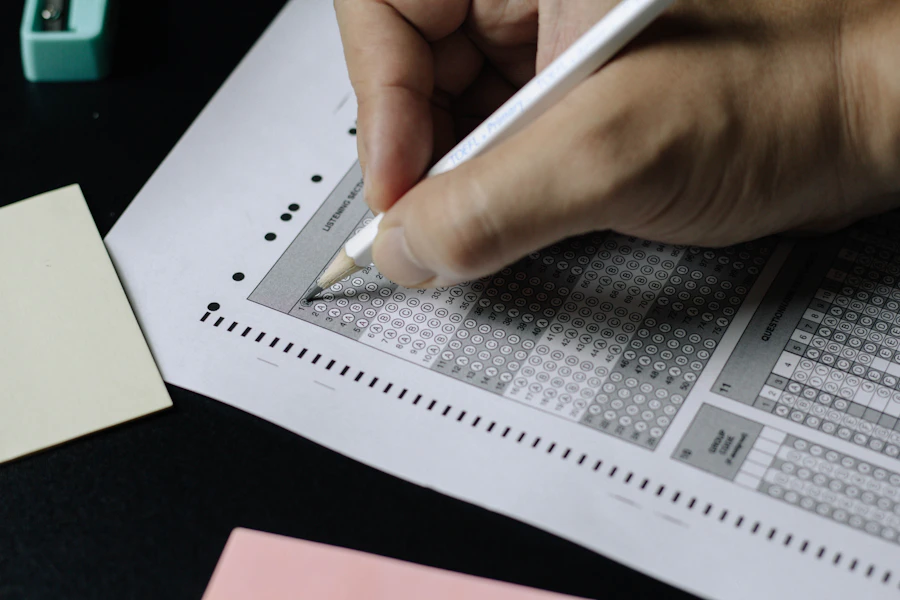
Person doing crossword puzzle

Brain Games and Puzzles for Adults — Keep Your Mind Sharp Every Day

Just like your body, your brain needs regular exercise to stay sharp. Studies from the AARP show that adults who engage in brain games for 15–20 minutes daily can slow cognitive decline by up to 50%. The best part? Many are completely free.

🔠 Crossword Puzzles

The classic crossword trains vocabulary, memory and pattern recognition all at once. The New York Times Mini Crossword (free online) takes just 5 minutes and provides the perfect daily mental warm-up. The Washington Post also offers free daily crosswords.

🔢 Sudoku

Number puzzles train logical thinking and concentration. You can find free Sudoku in your newspaper, on AARP's website or in the App Store. Start with "Easy" level and work your way up — it gets better each week.

🧩 Word Games: Wordle & Connections

Wordle (free at nytimes.com/games/wordle) gives you one 5-letter word puzzle per day — perfect for a morning brain warm-up. NYT Connections is another free game where you group 16 words into 4 categories. Both are popular with millions of adults over 60.

📚 Reading 20 Minutes Daily

Reading fiction improves empathy and memory, while non-fiction expands vocabulary and knowledge. Try the Libby app (free with your library card) to access thousands of eBooks and audiobooks instantly on your iPhone or tablet.

🎵 Learn a New Song on the Piano

Music learning activates more areas of the brain simultaneously than almost any other activity. Apps like Simply Piano (iPhone) make it beginner-friendly with guided lessons starting from absolute basics.

🧠 Daily Challenge: Try this: recall 10 things you did yesterday in order. Then try 10 names from your past. This "memory walk" exercise, done 5 minutes daily, significantly improves recall in 6–8 weeks.

Senior doing gentle exercises at home

Simple Home Exercises for Seniors — Stay Active Without a Gym

The CDC recommends 150 minutes of moderate activity per week for adults over 65 — that's just 22 minutes a day. These exercises require no equipment, no gym membership and can be done safely in your living room.

🪑 Chair Sit-to-Stand (10 reps)

Sit in a sturdy chair with feet flat on floor. Rise to standing without using your hands, then slowly sit back down. This strengthens thighs, glutes and core while dramatically improving balance and reducing fall risk. One of the best exercises doctors recommend.

🚶 Walk 20–30 Minutes Daily

Walking is the single most beneficial exercise for older adults. It strengthens your heart, improves bone density, lifts mood (through endorphins) and maintains independence longer than almost any other habit. Even a 15-minute walk makes a measurable difference.

💪 Wall Push-Ups (10–15 reps)

Stand arm's length from a wall, place hands flat on wall at shoulder height, bend elbows to bring face toward wall, then push back. This builds upper body strength safely without the floor risk of regular push-ups.

🦵 Standing Calf Raises (15 reps)

Hold the back of a chair for balance, rise up on your toes, hold 2 seconds, lower slowly. Strengthens calves and ankles — critical for walking stability and fall prevention.

🧘 Seated Stretches (Hold 20 seconds each)

Neck stretch (ear to shoulder), shoulder cross-body stretch, spinal twist in chair, ankle circles, and hamstring stretch (extend leg straight, lean forward slightly). Do each side. This reduces morning stiffness by 60–70% within 2 weeks.

⚠️ Safety First: Always check with your doctor before starting any new exercise program. Move slowly, stop if you feel pain, and always have something to hold onto for balance exercises. Never exercise through chest pain or dizziness.

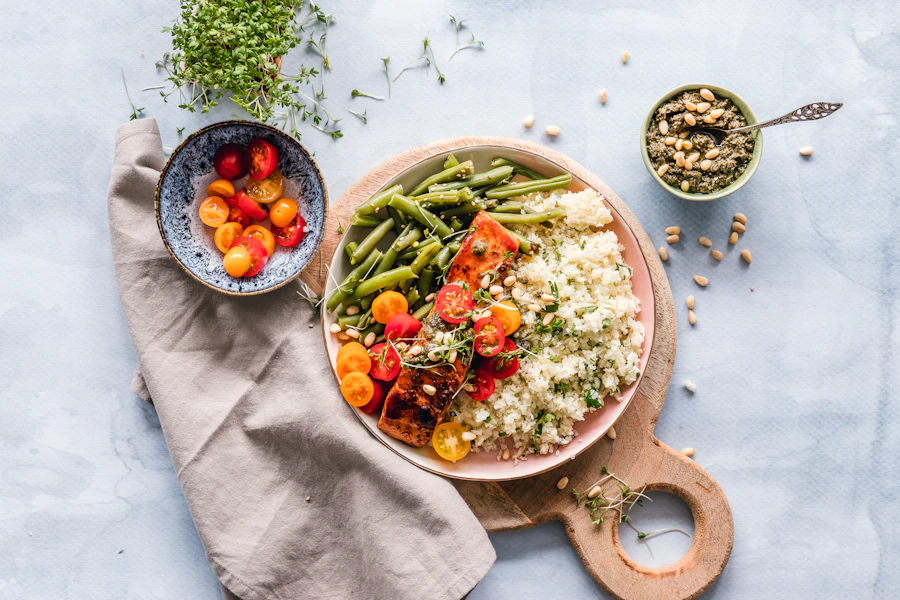
Healthy breakfast meal for one person

Easy Recipes for One or Two People — Quick Healthy Meals at Home

Cooking for one or two doesn't need to be complicated. These simple recipes use everyday ingredients, require minimal prep and are packed with nutrition. All under 30 minutes, all delicious.

🥣 Perfect Overnight Oats (5 min prep)

Combine ½ cup rolled oats, ½ cup milk (or almond milk), 1 tbsp chia seeds, 1 tbsp honey and ½ cup berries in a jar. Refrigerate overnight. In the morning you have a ready-to-eat, fiber-rich breakfast with no cooking. Keeps for 3 days.

🥚 Microwave Veggie Scramble (4 min)

Beat 2 eggs with a splash of milk. Add diced bell peppers, spinach, cherry tomatoes and a pinch of salt. Microwave in a mug on high for 90 seconds, stir, 60 more seconds. Perfect single-serving scrambled eggs — no stove, no mess.

🍲 Easy Chicken Vegetable Soup (25 min)

In a pot: 1 can low-sodium chicken broth, 1 diced carrot, 1 diced celery stalk, ½ cup frozen vegetables, 1 cup pre-cooked rotisserie chicken (shredded). Simmer 20 minutes. Add salt, pepper, a squeeze of lemon. Warm, filling, anti-inflammatory and heart-healthy.

🥗 Mediterranean Lunch Bowl (10 min)

Layer in a bowl: ½ cup cooked quinoa or brown rice, cucumber slices, cherry tomatoes, kalamata olives, crumbled feta, a handful of spinach. Drizzle with olive oil and lemon juice. No cooking required if you use pre-cooked grains from the store.

🛒 Shopping Tip: Buy a rotisserie chicken once a week — use it across 4-5 meals (soup, salad, wrap, rice bowl). It saves money, time and effort while providing excellent protein all week.

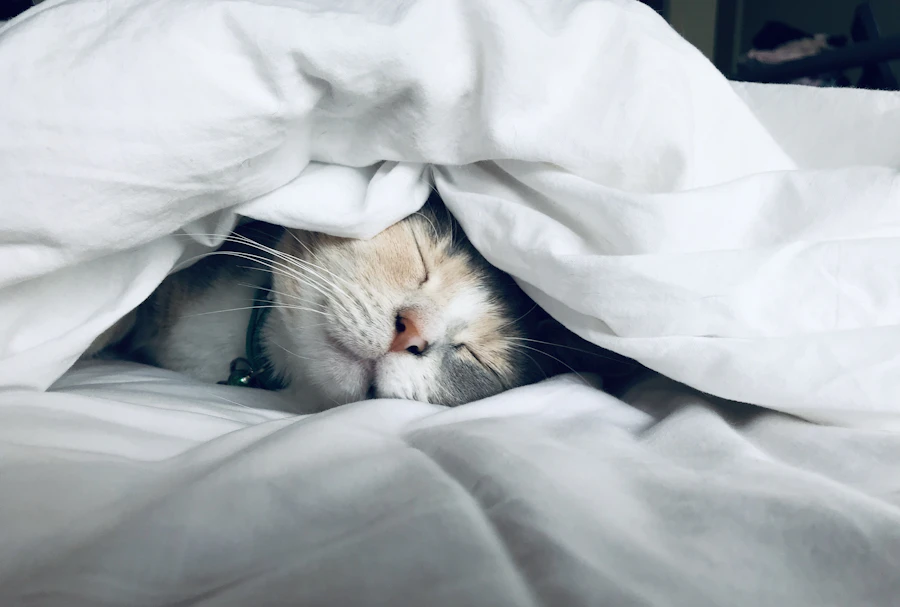
Peaceful bedroom for better sleep

Simple Tips for Better Sleep Every Night — Feel Refreshed Every Morning

Adults over 60 often experience lighter, shorter sleep — but that doesn't mean poor sleep is inevitable. These evidence-based tips from sleep specialists can dramatically improve both the quality and duration of your sleep without medication.

🌡️ Keep Your Bedroom Cool and Dark

The ideal sleep temperature is 65–68°F. Your body temperature naturally drops during sleep onset, and a cool room accelerates that. Use blackout curtains or an eye mask to block light, which suppresses melatonin (your sleep hormone).

📱 No Screens 60 Minutes Before Bed

Phone, TV and tablet screens emit blue light that tricks your brain into thinking it's daytime, delaying sleep onset by up to 2 hours. Switch to a physical book, crossword puzzle, or soft music 60 minutes before your sleep time.

⏰ Keep a Consistent Bedtime

Going to bed and waking at the same time — even on weekends — regulates your sleep-wake cycle. Your brain begins releasing melatonin automatically at your usual bedtime if you're consistent for 2+ weeks.

🚫 Avoid Caffeine After 2pm

Caffeine has a half-life of 5–7 hours, meaning half the coffee you drink at 3pm is still in your system at 8pm. Switch to herbal tea (chamomile, peppermint) in the afternoon. Even decaf has some caffeine.

💤 4-7-8 Breathing for Sleep: Inhale through your nose for 4 counts, hold for 7, exhale slowly through your mouth for 8. Repeat 3–4 times. This activates the parasympathetic nervous system and can bring on sleep within minutes.

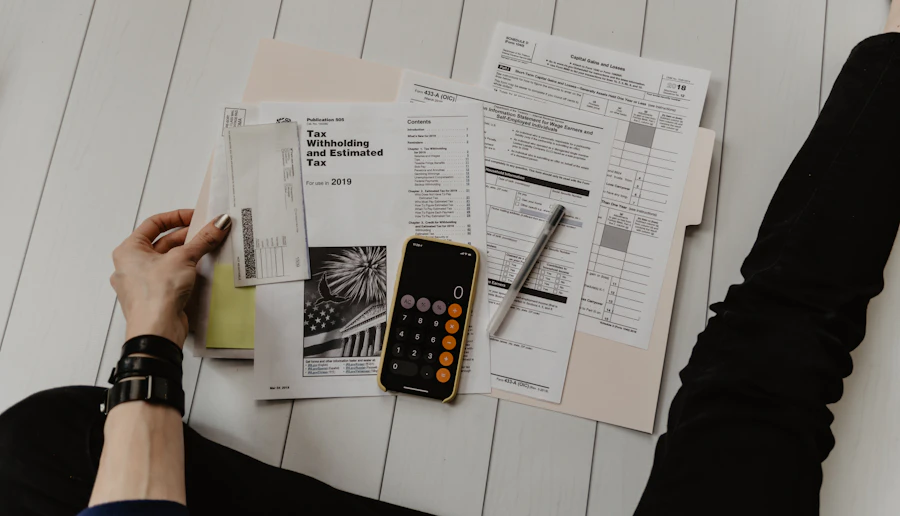
Person reviewing household budget

Simple Money Saving Tips at Home — Keep More of Your Money This Month

You don't need a financial advisor to save more money. These practical, easy-to-implement tips can save most American households $200–$400 per month without sacrificing quality of life.

💡 Lower Your Utility Bills Today

  • Unplug electronics when not in use — "phantom energy" from standby appliances costs the average home $165/year.
  • Set your thermostat 7–10°F lower when sleeping or away — saves 10% on your heating/cooling bill annually.
  • Replace bulbs with LED — LEDs use 75% less energy and last 25 times longer than incandescent bulbs.
  • Call your cable/internet provider annually and ask for a lower rate — it works 80% of the time.

🛒 Smarter Grocery Shopping

  • Shop with a list and never go hungry — impulse purchases add 20–40% to your grocery bill.
  • Buy store-brand versions of basics (flour, canned goods, milk) — usually identical quality at 30% less.
  • Check the unit price (price per oz), not just the label price — bigger isn't always cheaper.
  • The SNAP senior discount and most grocery stores offer 10% senior discounts on Tuesdays or Wednesdays. Always ask.

📱 Reduce Your Phone Bill

Check out Consumer Cellular, Mint Mobile or T-Mobile Essentials — plans designed for seniors start at $15–$25/month with unlimited talk and text. Compare your current plan at wirefly.com and call to cancel — your carrier will usually offer a better deal to keep you.

💰 Benefit Check: Millions of eligible seniors are not claiming benefits they're entitled to. Visit BenefitsCheckUp.org (free, no scam) to see every program you qualify for — utility assistance, food help, prescription discounts and more.

Safe use of smartphone and internet

How to Stay Safe Online — Simple Smartphone & Internet Safety Rules

Scammers specifically target older Americans — the FBI reports that adults over 60 lose $3.1 billion per year to online fraud. But with a few simple rules, you can stay completely safe and enjoy all the benefits of the internet with total confidence.

🚨 Rule 1 — Real companies never call to demand gift cards

The IRS, Social Security Administration, Medicare, your bank — none of them will ever ask you to pay fines or fees using gift cards, wire transfers or cryptocurrency. If anyone asks this, it's a scam. Hang up immediately. Then call your bank directly using the number on the back of your card.

🔒 Rule 2 — Look for the padlock before entering information

Before entering any personal or payment information online, look for a padlock icon in the browser address bar and "https://" at the start of the URL. If the padlock is missing, leave the site immediately.

📧 Rule 3 — "Your account has been suspended" emails are usually fake

Scammers send fake "alert" emails from Amazon, PayPal, Netflix and banks. Don't click any links. Instead, open a new browser tab and type the website address yourself (e.g., amazon.com). Real alerts will be there if genuine.

🔑 Rule 4 — Use a simple, strong password system

Choose 3 random words + a number + a symbol: e.g. "CoffeeWinterBird47!". Use a different password for your email than everything else — your email is the master key to all your accounts.

✅ Quick Safety Checklist: (1) Is it asking for gift cards? SCAM. (2) Did they call you unexpectedly about money or prizes? SCAM. (3) Does the email create extreme urgency? LIKELY SCAM. When in doubt — call a trusted family member before acting.

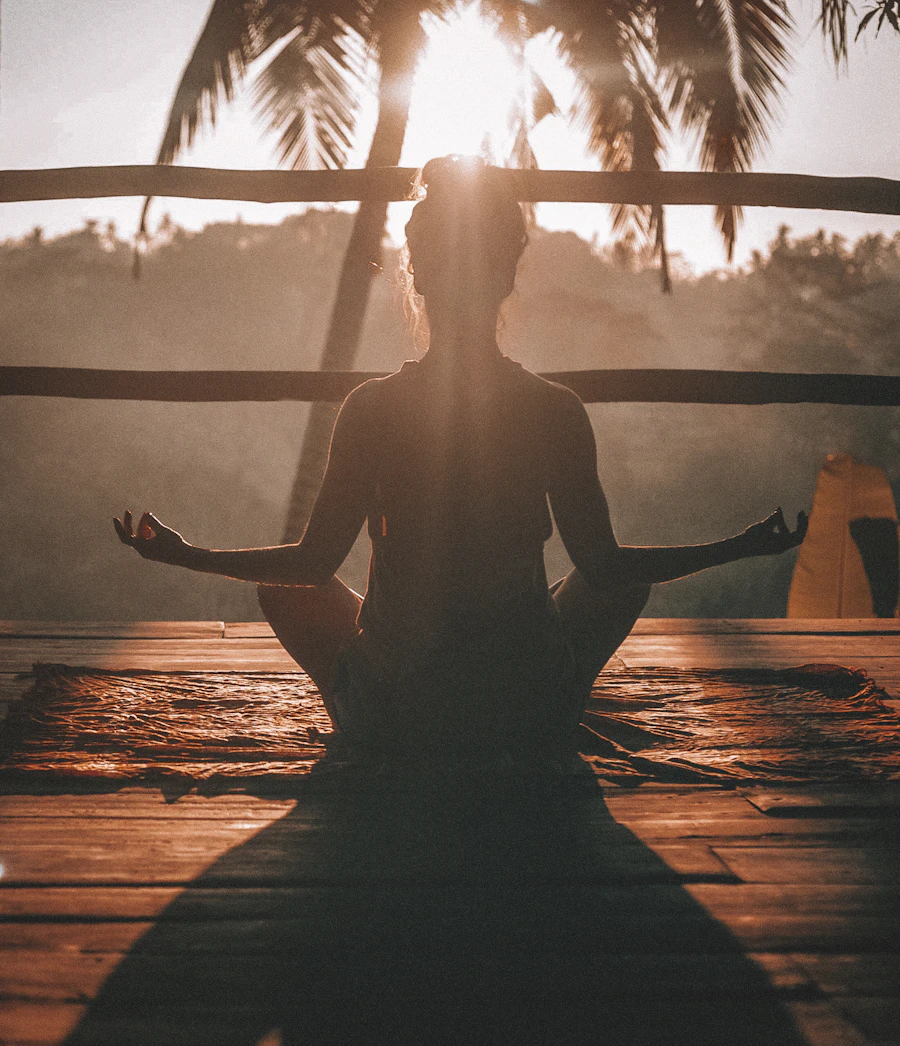
Peaceful relaxation outdoors

Daily Stress Relief Tips That Actually Work — Calm Your Mind in Minutes

Chronic stress accelerates aging, weakens the immune system and increases heart disease risk. But small, daily calming practices — even just 5–10 minutes — dramatically reduce stress hormones and improve overall health and happiness.

🌿 The 5-Minute Nature Reset

Step outside, sit in a chair by a window or on your porch, and spend 5 minutes observing nature — birds, clouds, leaves, sunlight. Research shows that even brief nature contact reduces cortisol (stress hormone) by 15–20% and improves mood for hours.

🎵 Play Calming Music

Classical music, nature sounds or your favourite familiar songs activate the brain's reward system and lower blood pressure within minutes. Free options: YouTube "relaxing music" playlists, Pandora's free stations, or Spotify's free tier with "Focus" and "Calm" playlists.

📝 Write 3 Good Things Daily

The "Three Good Things" exercise — writing 3 positive things that happened each day — is one of the most studied happiness interventions in psychology. Participants who do this for 2 weeks show sustained mood improvements for 6+ months.

📞 Call Someone You Love

Social connection is the #1 predictor of healthy aging, according to Harvard's 80-year Study on Adult Development. Even a 10-minute phone call with a friend or family member releases oxytocin — the bonding hormone — and significantly reduces loneliness and anxiety.

🌬️ Box Breathing (used by Navy SEALs): Breathe in for 4 counts → Hold for 4 → Out for 4 → Hold for 4. Repeat 4 times. Works in 60 seconds to interrupt the stress response anywhere, anytime.

Joyful hobbies at home — reading and crafts

Fun Hobbies to Start at Home Today — Joyful Activities for Any Age

Hobbies aren't just for fun — they reduce cognitive decline, combat loneliness, improve manual dexterity and give a sense of purpose. The best hobby is one you actually enjoy. Here are 10 that are easy to start today with minimal cost.

📚 Reading

The most accessible and beneficial hobby there is. Large-print books are available at every library. The Libby app gives you unlimited free eBooks and audiobooks with a library card. A good book provides the ultimate daily escape from daily worries.

🌱 Container Gardening

Even apartment dwellers can grow tomatoes, herbs, lettuce and flowers in pots. Gardening provides light exercise, connection to nature, fresh produce and a deep sense of accomplishment. Start with a simple basil or tomato plant from a hardware store for $3–$5.

🧵 Knitting, Crocheting or Needlework

These are meditative, productive and social hobbies. Research shows the repetitive motion reduces anxiety as effectively as meditation. YouTube has thousands of beginner tutorials, and many libraries run free knitting circles.

🎨 Adult Coloring or Watercolor Painting

Art doesn't require talent — adult coloring books (highly detailed designs) are proven stress relievers. Watercolor painting is beginner-friendly, requires minimal supplies ($15 starter kit) and produces beautiful results quickly.

📷 Photography Walks

Take your iPhone on a short daily walk with the goal of finding something beautiful to photograph. This transforms a routine walk into a mindful, creative activity that trains your eye and gets you outside. Share your photos via iMessage with family — it's a conversation starter!

🎯 Today's Challenge: Pick ONE new hobby from this list and spend 15 minutes on it today. Just 15 minutes. That's all it takes to begin — and beginning is the hardest part. Your future self will thank you.

Your Free Daily Information Hub

Bookmark DailyInfoHub for free tips, weather and news every day — no sign-up needed, ever.

🏠 Back to Home 🌤️ Live Weather 📰 Today's News